Live
36 active·0 votes today
1 today
6d 16h left
National
Is Israel a terrorist state?
Israel faces accusations of state terrorism amid military operations in Gaza, Lebanon, and the West Bank, including high civilian casualties, infrastructure destruction, and targeted strikes criticized as unlawful by some observers and figures. Supporters argue these are defensive actions against groups like Hamas and Hezbollah, designated as terrorists by the UK, US, and EU, amid ongoing rocket attacks and regional threats. No government or international organization officially labels Israel a 'terrorist state,' though the phrase appears in public discourse.

1 today
6d 16h left
National
Was Donald Trump the best US President for UK interests on the world stage?
The UK-US 'special relationship' faces strains under President Trump's second term, with disputes over NATO commitments, tariffs on Europe, the Chagos Islands deal reversal, and UK responses to US actions in Iran and the Strait of Hormuz. Trump criticises UK defence spending and leadership, prompting Prime Minister Keir Starmer to affirm NATO loyalty while seeking closer EU ties on security and economy. Pro-Trump voices highlight his past anti-EU stance aiding Brexit and recent moves against regimes like Iran benefiting UK security, amid divided public sentiment.
1 today
6d 16h left
National
Will the US-Iran ceasefire lower UK petrol and diesel prices?
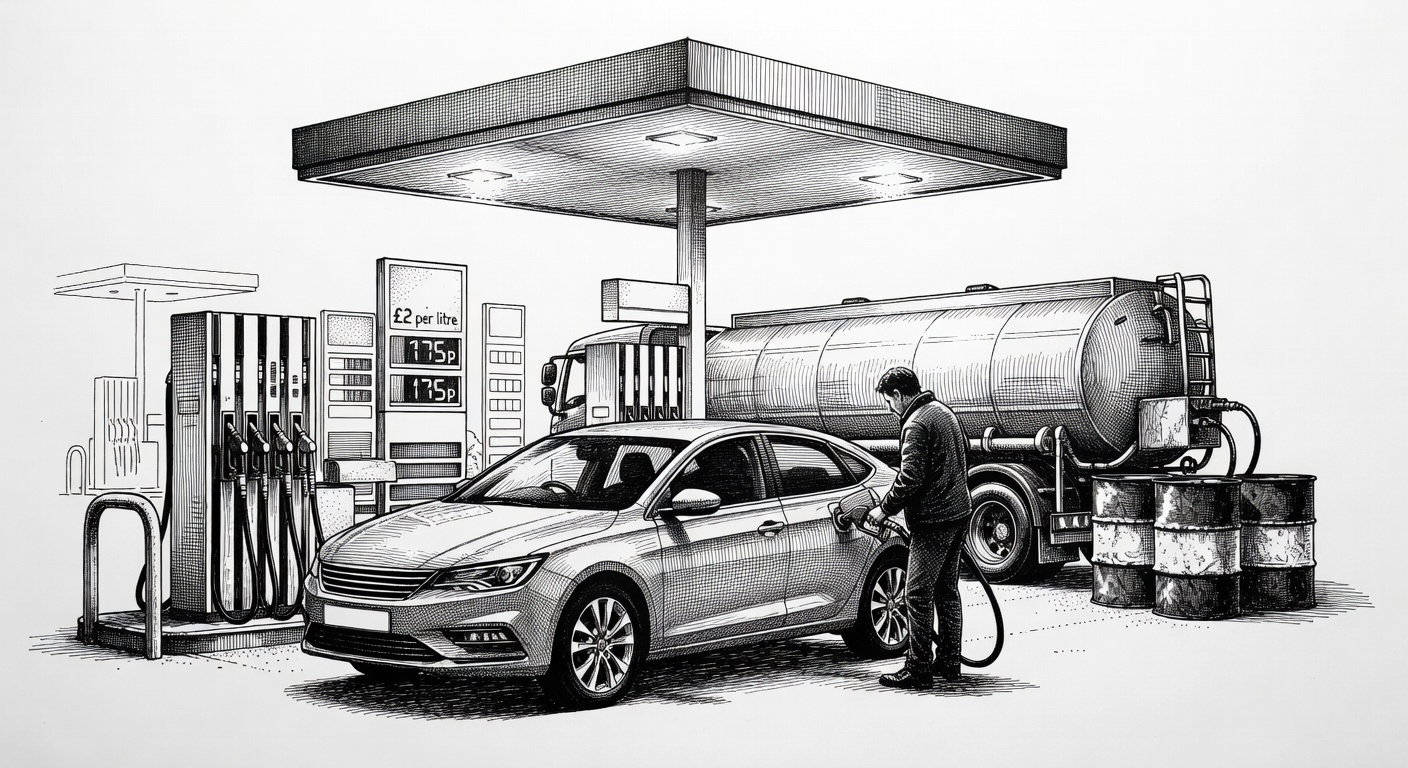
A recent US-Iran war caused oil prices to surge above $110 a barrel after the Strait of Hormuz closure disrupted 20% of global crude exports, pushing UK petrol towards £2 per litre and diesel up 40p to over 175p. A conditional two-week ceasefire announced by Trump led to a 15-18% oil price drop, with some independent stations cutting petrol by 4p per litre. UK fuel stocks have fallen, and experts warn pump prices may stay high for months due to damaged infrastructure, import reliance, and existing high-cost shipments.
1 today
6d 10h left
National
Would 'blitz courts' effectively cut the Crown Court backlog?
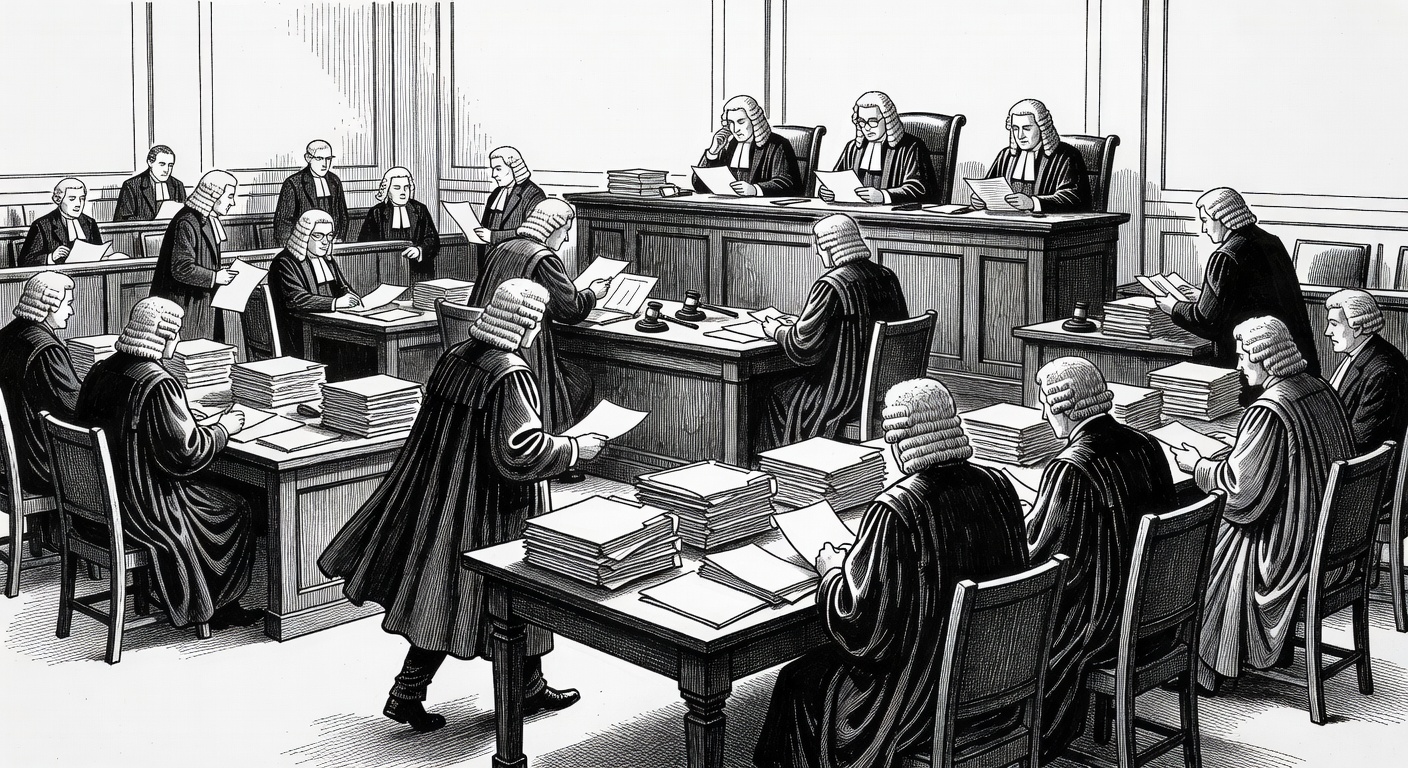
England and Wales face a Crown Court backlog of around 80,000 cases, double the pre-pandemic level and projected to exceed 100,000 by late 2026 without action. 'Blitz courts' are special sessions processing up to ten cases per day for fast-track guilty pleas, operational in sites like Nottingham and London, with expansion to more courts including the Old Bailey backed by £2.7 billion in funding. Pilots demonstrate backlog reductions, though concerns persist over whether speed compromises fairness, amid debates on complementary measures like increased sitting days.
1 today
6d 10h left
National
Does the UK need looser AI regulations to attract OpenAI's data centre?
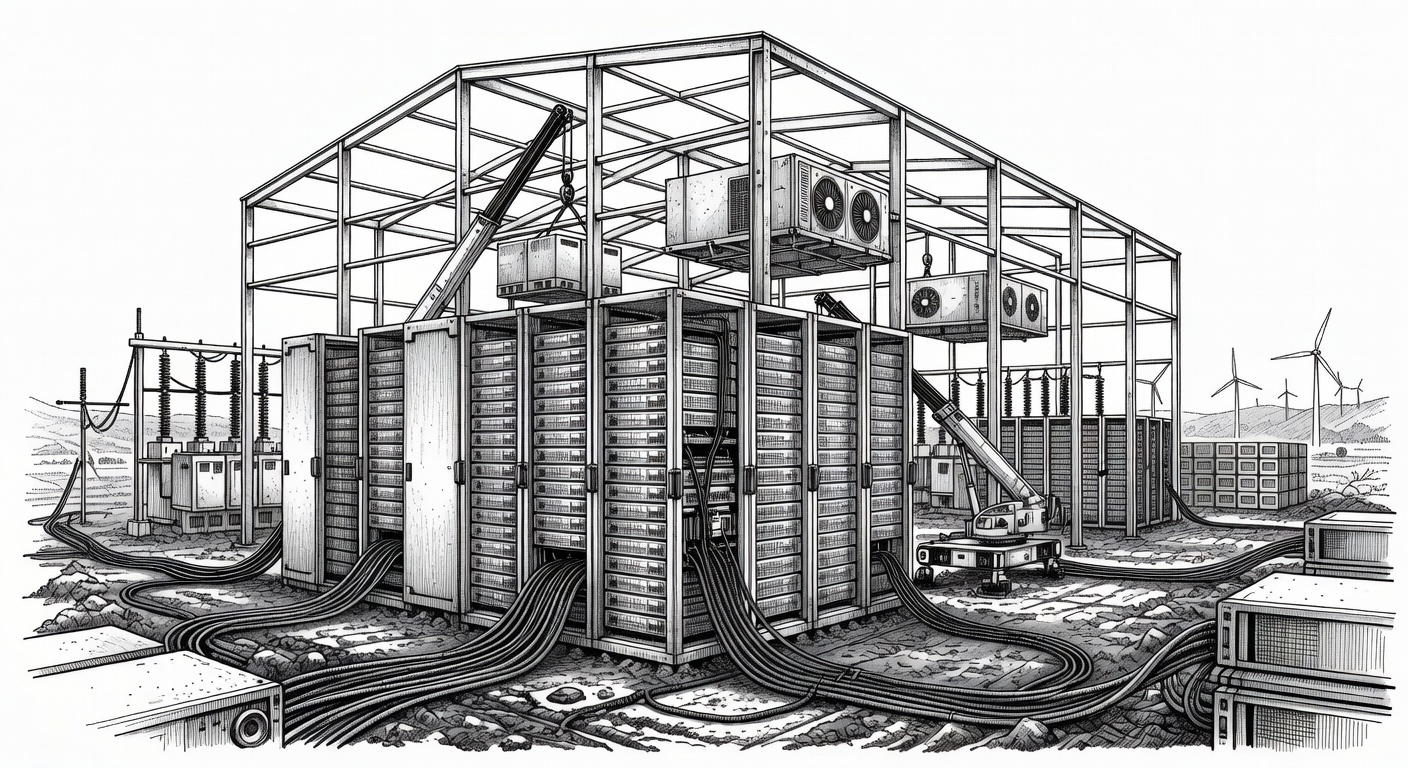
OpenAI has paused its multi-billion-pound Stargate UK data centre project, a 31,000-GPU facility planned for the North East to boost AI infrastructure. The company cites high energy costs, up to four times those in the US, and an unclear regulatory environment as key barriers. UK data centres currently consume about 2% of national electricity, projected to quadruple by 2030 amid surging AI demand.

1 today
6d 1h left
National
Would the SNP's 'first refusal' right for tenants buying private rentals solve Scotland's housing crisis?
Scotland faces a severe housing emergency with shortages of affordable homes to rent and buy across cities and rural areas, exacerbated by low social housebuilding rates. The SNP pledges to grant tenants first refusal on purchasing their private rental homes if landlords sell, aiming to help renters transition to ownership. Critics argue it offers limited impact without major new construction and rent controls, viewing it as a pre-election measure after years of crisis.

1 today
6d 1h left
National
Would the Conservatives' ban on four-day weeks for council staff improve efficiency?
Some UK councils, like South Cambridgeshire District Council, trialled a four-day week with 80% hours for full pay, reporting improvements in 21 of 24 service areas, faster call responses, quicker planning applications, and reduced agency costs. The Conservative Party proposes banning this practice nationwide, arguing taxpayers deserve full-time services for full-time pay to ensure value for money. Debate centres on whether such schemes boost productivity through better staff wellbeing or undermine it by reducing available working days.
1 today
6d 1h left
National
Does the UK need stronger action to stop Channel migrant deaths?
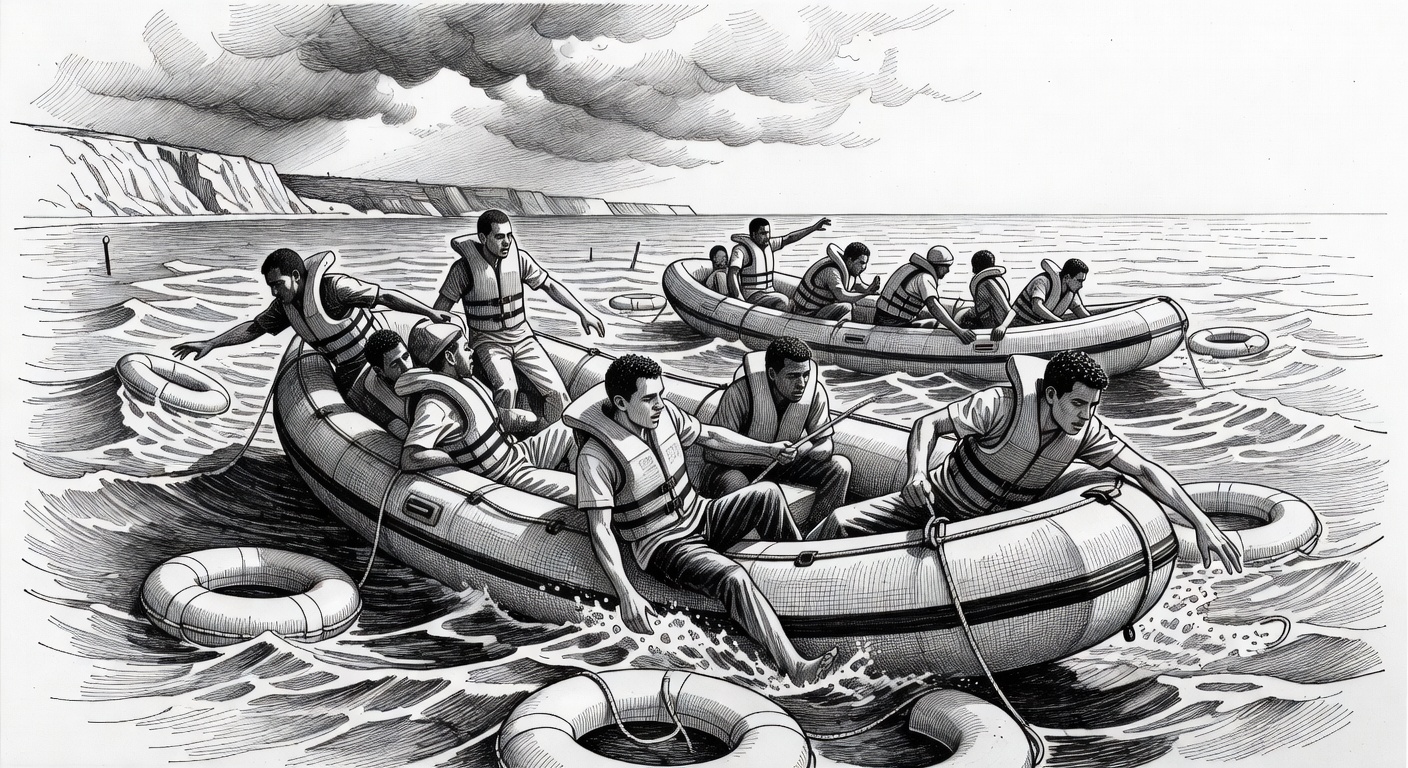
Small boat crossings of the English Channel from France to the UK continue, with nearly 1,000 arrivals in six days in March 2026 and hundreds more in early April. Four migrants died on April 9, 2026, attempting to board a boat off northern France, bringing the year's total to six deaths amid ongoing tragedies. UK-France agreements aim to disrupt crossings, but fatalities persist alongside debates over deterrence, safe routes, and emergency responses like the Cranston inquiry highlighting avoidable losses.
1 today
5d 21h left
National
Does OpenAI pausing its UK data centre harm Britain's AI superpower ambitions?
OpenAI has paused its £31 billion Stargate data centre project in the UK, planned as an 8,000-GPU facility with partners including Nscale and NVIDIA. The decision stems from high electricity costs—four times those in the US—and regulatory uncertainty around grid access and AI copyright laws. UK government aims for 6GW of new data centre capacity by 2030 to position the country as an AI superpower, but industry warns that uncompetitive energy prices risk diverting investments elsewhere.
1 today
5d 19h left
National
Does the UK need more resilience against foreign shocks like those from Iran?
The ongoing Iran war disrupts global energy markets, with threats to the Strait of Hormuz risking oil supply spikes and inflation in the UK, which imports 44% of its energy. UK bases and personnel in the region face direct risks, exposing military limitations amid RAF scrambles from Cyprus and criticisms of hesitant government responses. Calls grow for reshoring food (over a third imported), medicines, and boosting North Sea oil to counter vulnerabilities shown by recent global shocks.
1 today
5d 19h left
National
Should the UK take stronger action against Russian submarine threats?
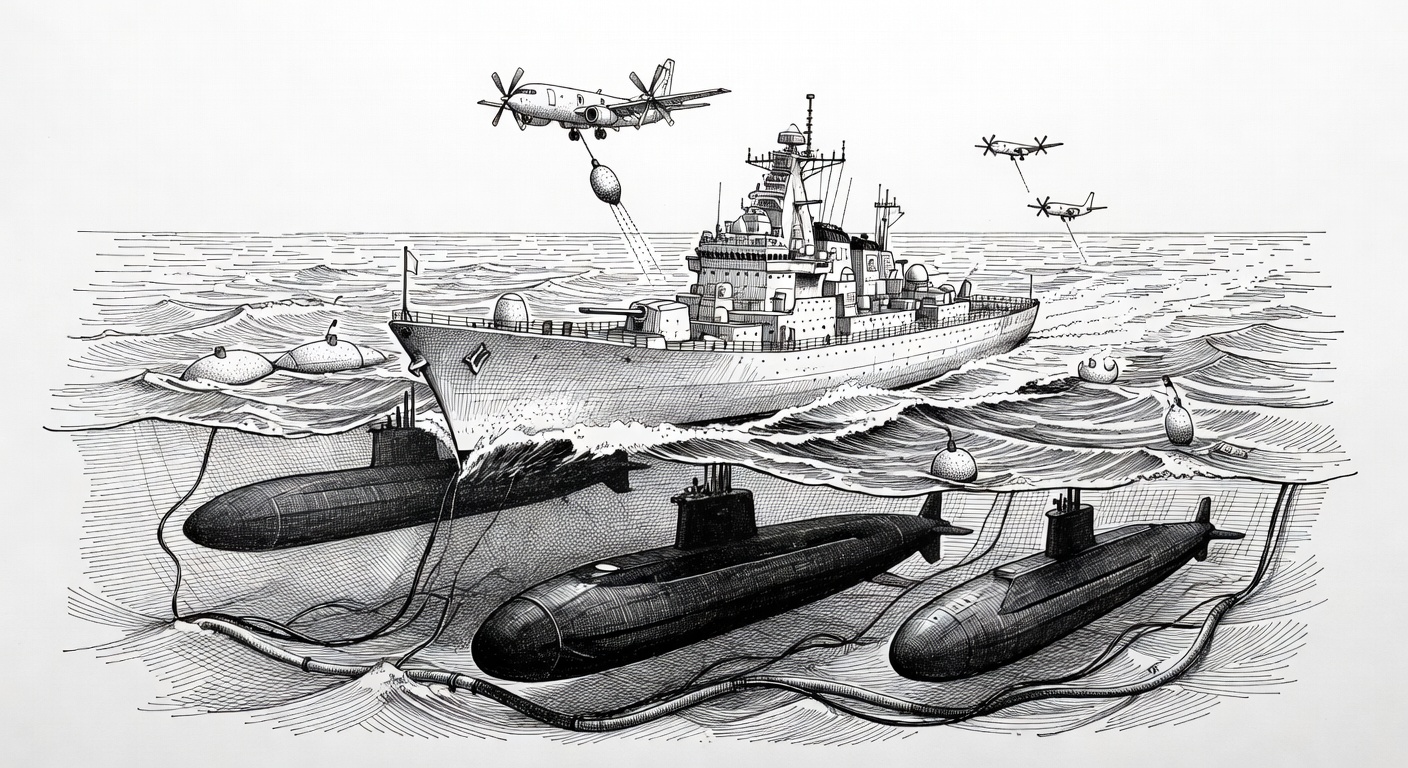
The UK and allies recently tracked three Russian submarines—an attack sub and two spy subs—for over a month in the North Atlantic near critical undersea cables and pipelines. Defence Secretary John Healey revealed the covert operation was deterred by Royal Navy warships and RAF aircraft, with the subs retreating after surveillance. This incident highlights risks to vital infrastructure carrying internet data and energy supplies amid heightened Russian maritime activity since the Ukraine invasion.
5d 18h left
National
Would tougher prevention of Channel migrant boats save more lives?
Over 5,000 migrants have crossed the Channel in small boats this year, with recent tragedies including four deaths when a boat capsized and earlier incidents claiming around 30 lives. The UK government has leased new catamarans for interceptions, extended payments to France for beach patrols, and introduced facial recognition drones, yet crossings continue amid claims of over 42,000 prevented attempts. Debate centres on whether stronger deterrence reduces dangerous voyages or if current policies and rescue obligations increase risks by encouraging more attempts.
5d 11h left
National
Should the Defence Secretary publicly disclose Russian submarine operations?
Three Russian submarines, including an Akula-class attack submarine and two from Russia's GUGI deep-sea unit, conducted a month-long covert operation over critical undersea cables and pipelines north of the UK in the North Atlantic. UK forces, using a Royal Navy warship and RAF P-8 aircraft, tracked and deterred them, forcing withdrawal with no evidence of damage. Defence Secretary John Healey publicly disclosed the activity today to warn Russia of serious consequences for any sabotage attempts on this vital data and energy infrastructure.

5d 10h left
National
Should the Labour government build more social and affordable homes?
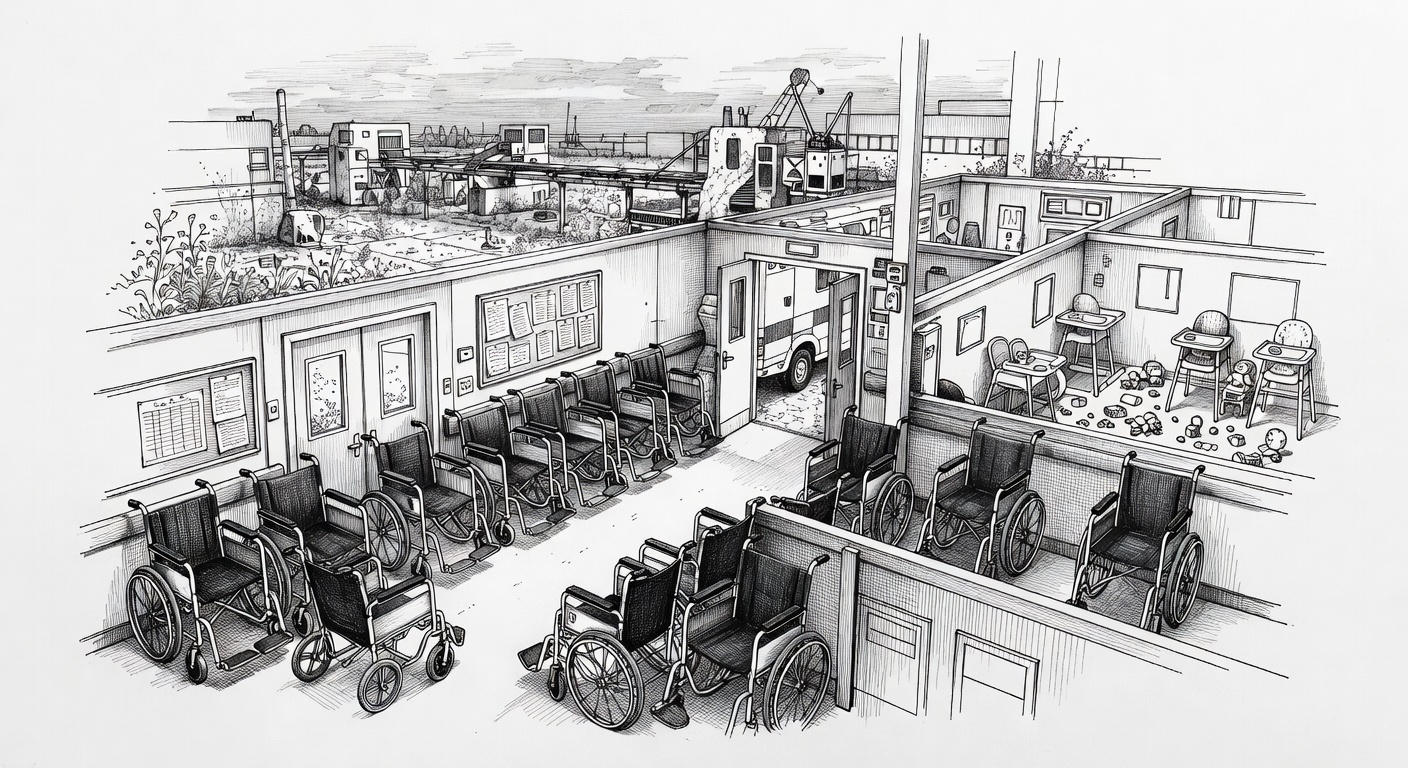
The UK faces a severe housing crisis with 1.3 million households on social housing waiting lists and 175,000 children in temporary accommodation. Labour pledged 1.5 million homes over five years, including a £39 billion programme for 300,000 social and affordable homes via private developers and council bids, alongside planning reforms to boost supply. Progress lags targets amid legal challenges, NIMBY opposition, and debates over allocation to migrants versus locals.
5d 2h left
National
Should Plaid Cymru cut NHS waiting lists, reduce childcare costs and grow the Welsh economy?
Wales' NHS waiting lists exceed 600,000 patients, the longest in the UK, after 27 years of Labour-led governments often supported by Plaid Cymru. Childcare costs rank among the highest, prompting Plaid's proposal for £30,000 support per child aged 9 months to 4 years. The Welsh economy stagnates with low wages and high inactivity, as Plaid pledges procurement changes for 35,000 well-paid jobs ahead of the May 7 Senedd election.
5d 1h left
Yvette CooperNational
Should Foreign Secretary Yvette Cooper urge toll-free reopening of the Strait of Hormuz?
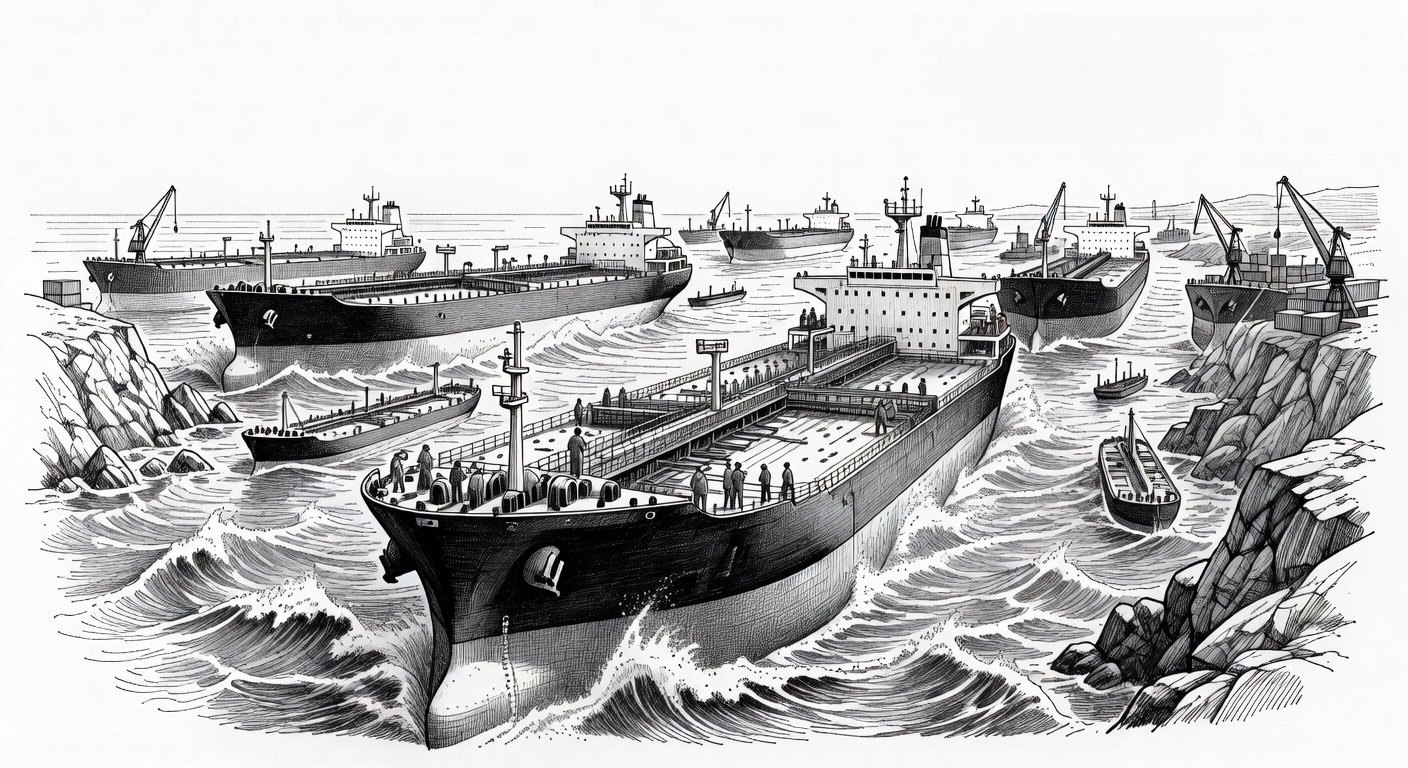
The Strait of Hormuz handles about 20% of global oil trade. Iran has restricted passage amid US-Iran tensions and a fragile two-week ceasefire, requiring oil tankers to submit cargo details and pay tolls in cryptocurrency or USD stablecoins, around $1 per barrel, while empty vessels pass free. UK Foreign Secretary Yvette Cooper states shipping must remain toll-free, rejecting unilateral fees and calling for support of stranded ships via the International Maritime Organization.
4d 11h left
NHS staffing & payNational
Should resident doctors (junior doctors) in England provide minimum NHS service during strikes?
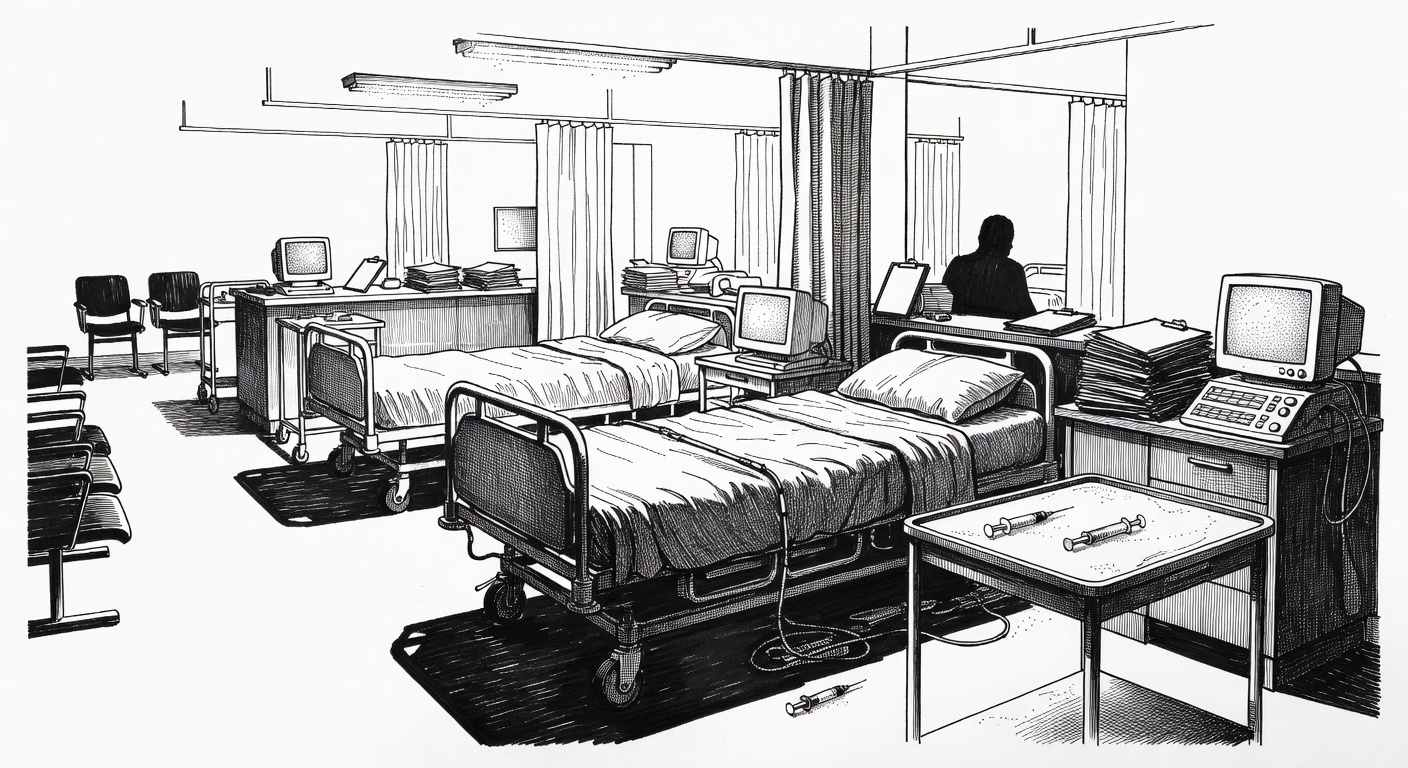
Resident doctors in England, also known as junior doctors, undertake postgraduate training while delivering frontline NHS care. They voted overwhelmingly for strike action in 2026 over pay restoration demands of 26% and job shortages, rejecting a 7.1% offer that would raise average earnings to £100,000 for experienced trainees. Strikes, now on their 15th since 2023 costing £3 billion, disrupt operations and A&E, prompting government threats to cut 4,000 training posts and calls for minimum service levels amid public opposition.
4d 10h left
National
Should the UK prioritise reopening the Strait of Hormuz to stabilise energy prices?
The Strait of Hormuz, a vital chokepoint for 20% of global oil supply, has faced repeated closures and partial reopenings amid the US-Iran war and fragile ceasefire. Oil prices surged over 40% during shutdowns, with UK petrol up nearly 50p per litre in a month and LNG imports from Qatar disrupted, risking shortages and bill hikes of 30-50%. UK PM Keir Starmer visited Saudi Arabia, stressing the need for more work to fully reopen the route amid ongoing tensions.
4d 2h left
National
Is UK energy policy self-defeating?
UK energy policy centres on achieving net zero emissions by 2050 through rapid expansion of renewables like offshore wind and solar, alongside nuclear development, while phasing out fossil fuels. Recent data shows no reduction in fossil fuel dependence since Labour took office, with high policy costs driving up business and household bills amid an energy crisis exacerbated by the Iran war. Critics highlight unreliable supply, blackouts risks, and deindustrialisation, while supporters note past successes in grid decarbonisation under Conservatives.
4d 2h left
Kanye WestNational
Should the UK government ban Kanye West from entering the country?
The UK Home Office revoked Kanye West's travel authorization, blocking his entry for a headline performance at London's Wireless Festival due to his history of antisemitic statements deemed not conducive to the public good. This decision, confirmed by Prime Minister Keir Starmer who stated he should never have been invited, led to the festival's cancellation, impacting jobs, businesses, and thousands of fans. The move has sparked discussions on balancing free speech, artist accountability, public safety, and the night-time economy.